architect:
David Oswald
Terms:
6 month
project type:
Architectural Design
Strategy:
Biomemtic Design
date:
Jan 22, 2021

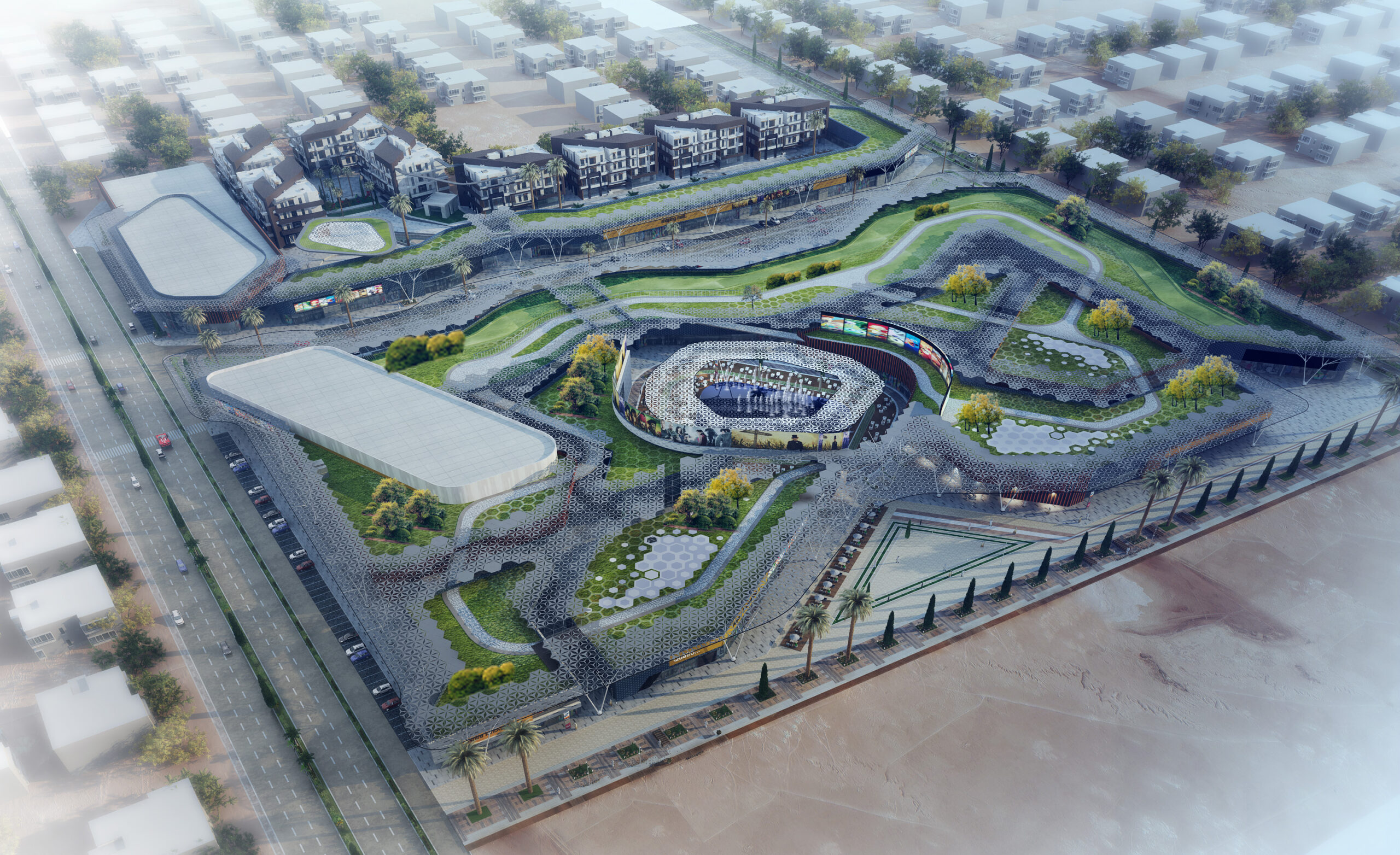
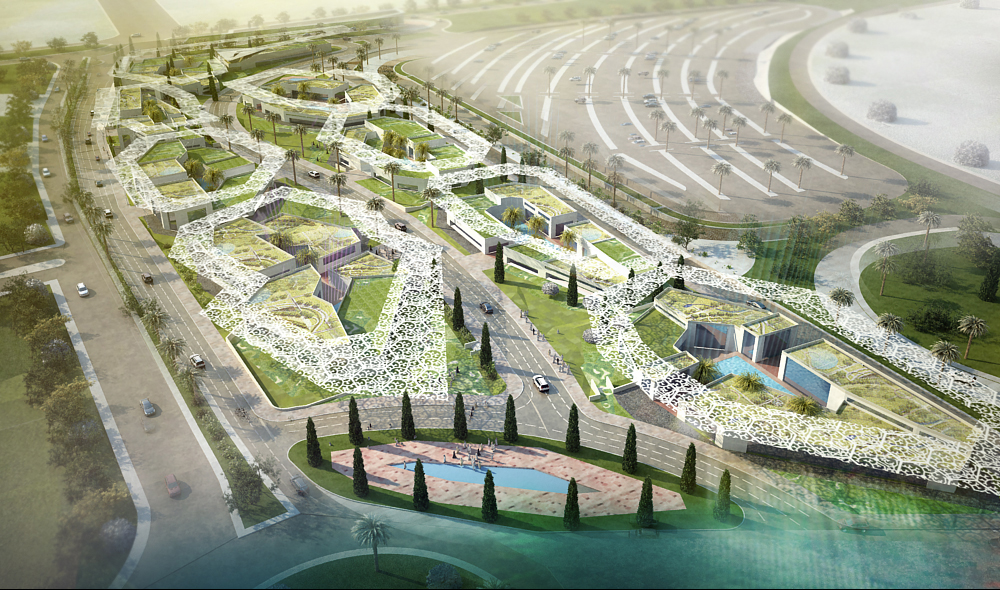
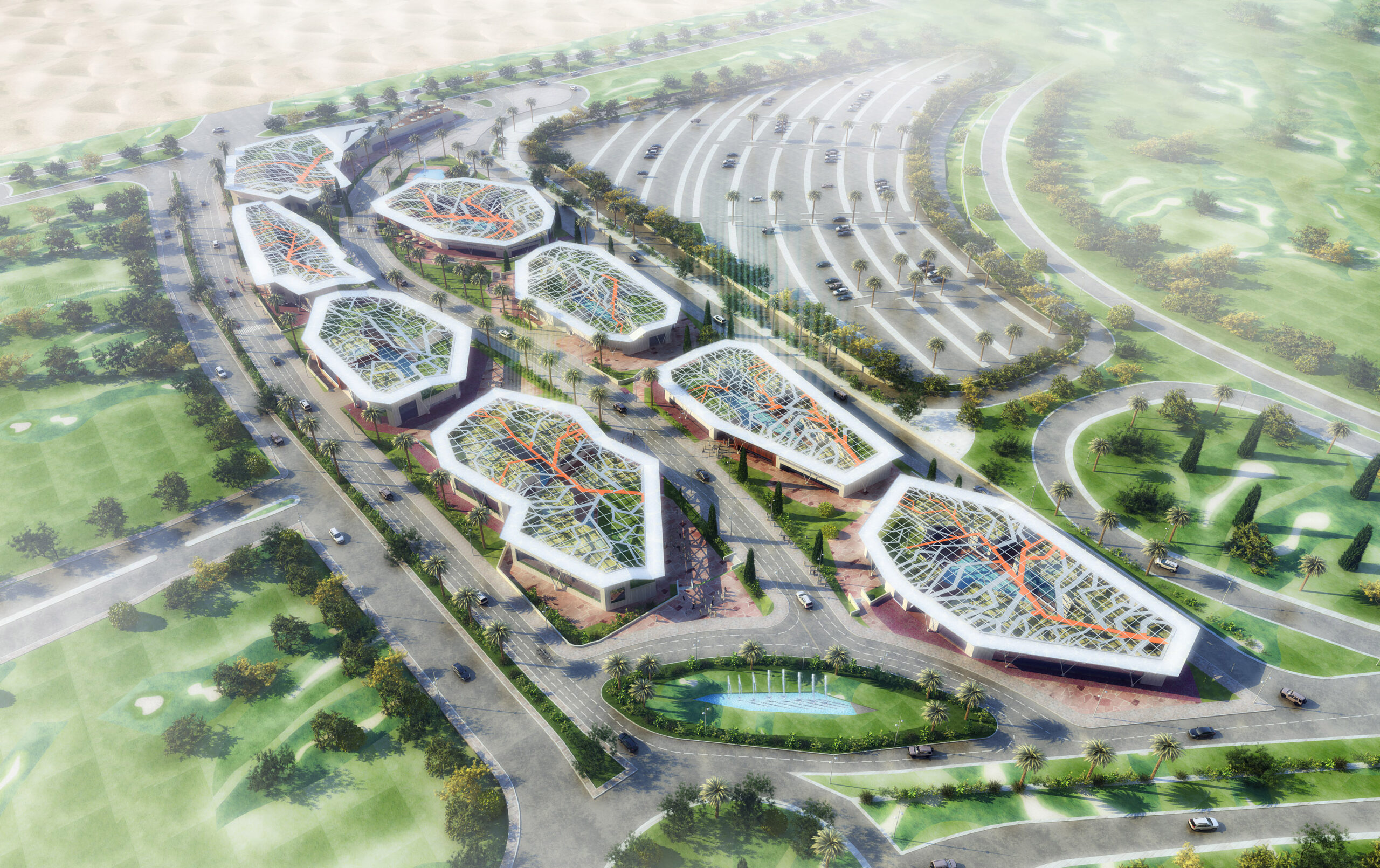
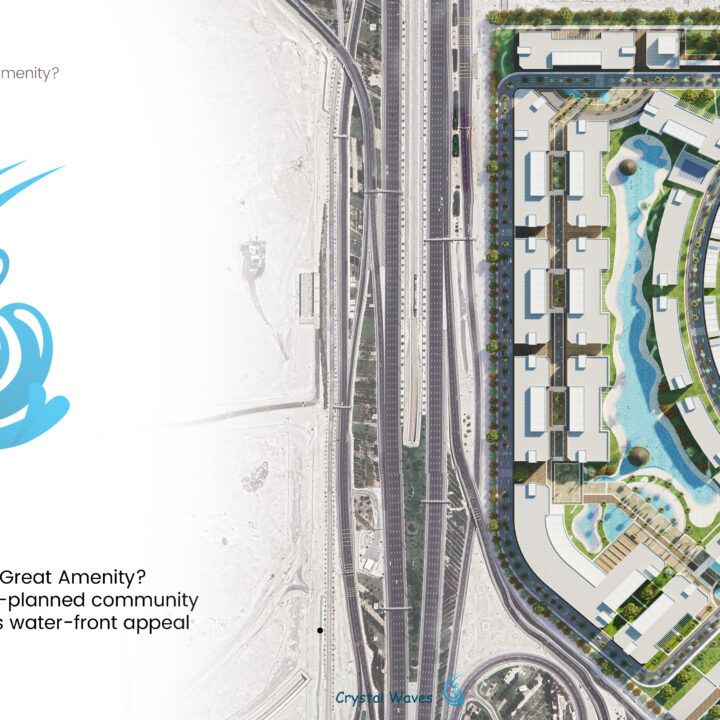
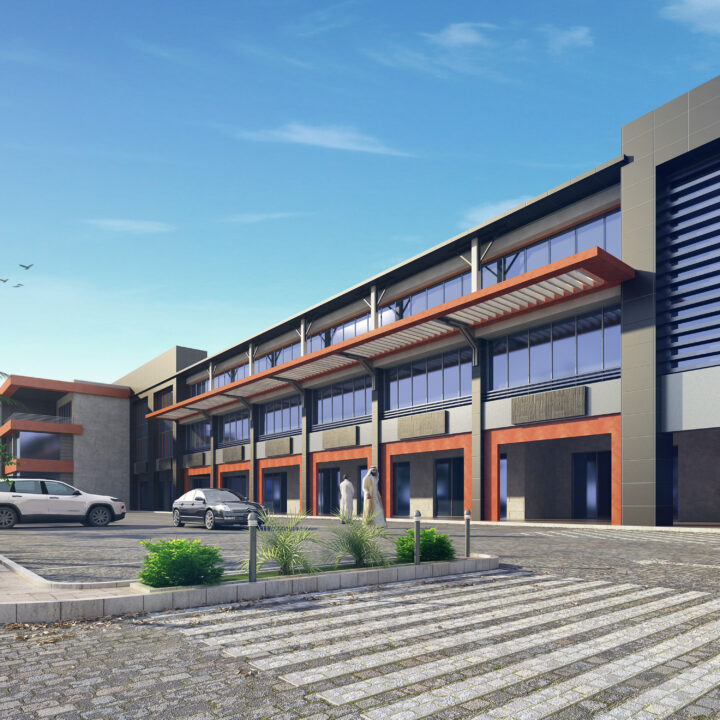
A The Living Mall: A Paradigm of Biomimetic Retail Architecture, The newly unveiled  Retail Mall stands as a breakthrough in the evolution of retail architecture, shifting away from the conventional, fully enclosed shopping center toward a model inspired by natural systems and ecological intelligence. This open-air “street mall” typology directly challenges the high energy demands of traditional malls, offering instead a regenerative, climate-responsive environment rooted in biomimicry.

Rethinking Retail: Initial Concepts

The design process for [Name of Mall] began with an ambitious goal: to move beyond the archetype of the climate-controlled, energy-intensive shopping center. Early concepts explored natural systems as blueprints for architectural form. Observing tree canopies, branching structures, and porous forest networks inspired sketches that proposed lightweight shading structures, open-air circulation pathways, and material palettes grounded in textures and colors from the natural world.

Key early design questions included: How can a retail environment breathe like a forest? How can sun, wind, and rain become partners in comfort rather than adversaries? How can materials and forms reduce environmental impact while enhancing human experience? These inquiries set the stage for a design process driven by ecological logic and pedestrian-focused urbanism.

Biomimetic Form and Structural Innovation

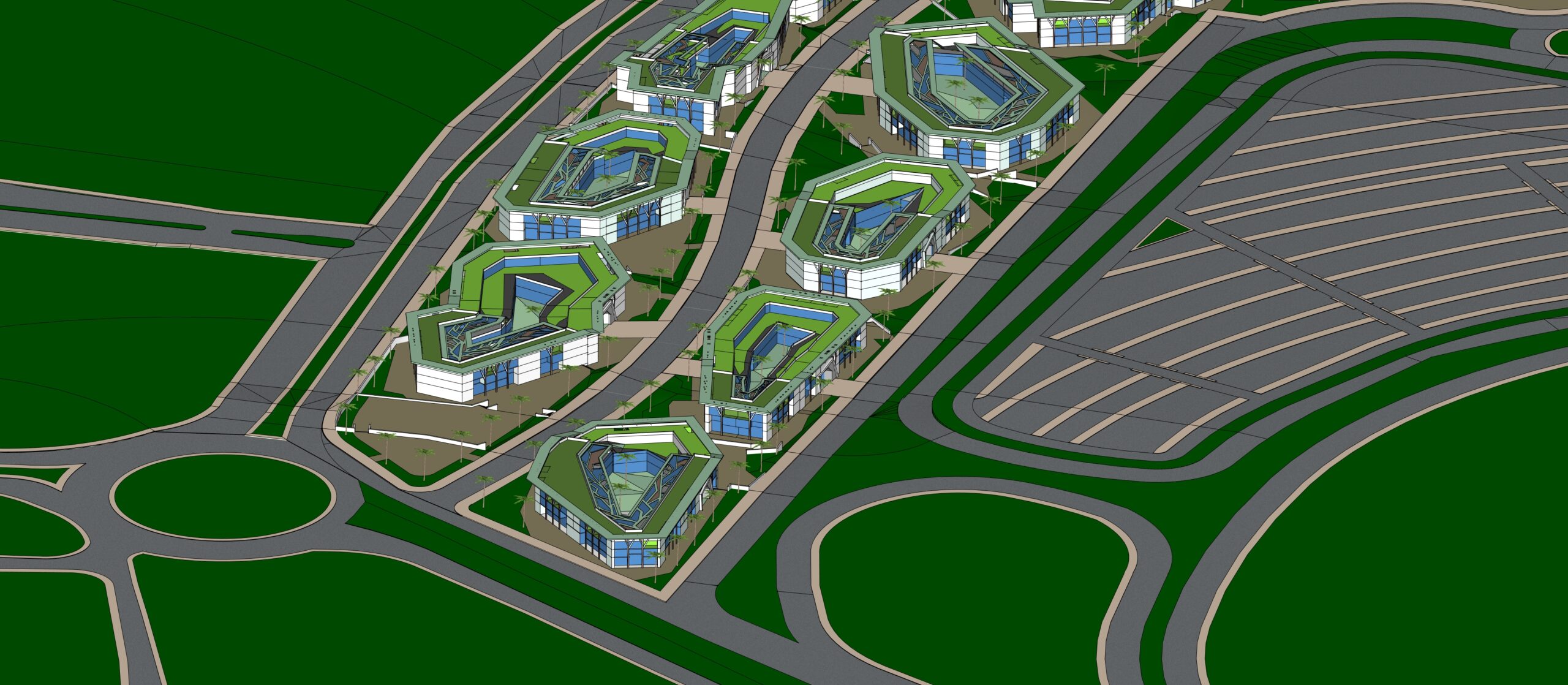
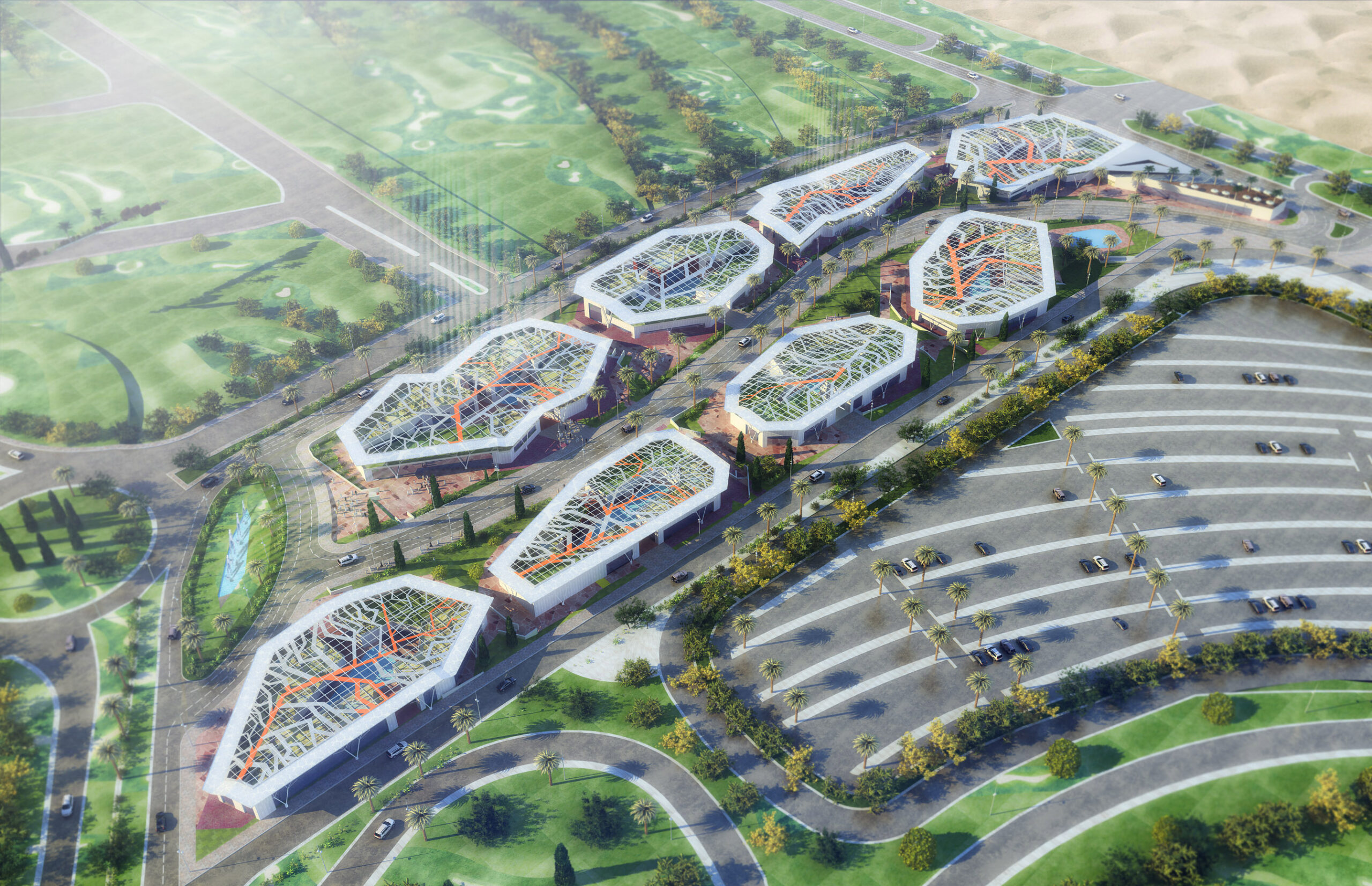
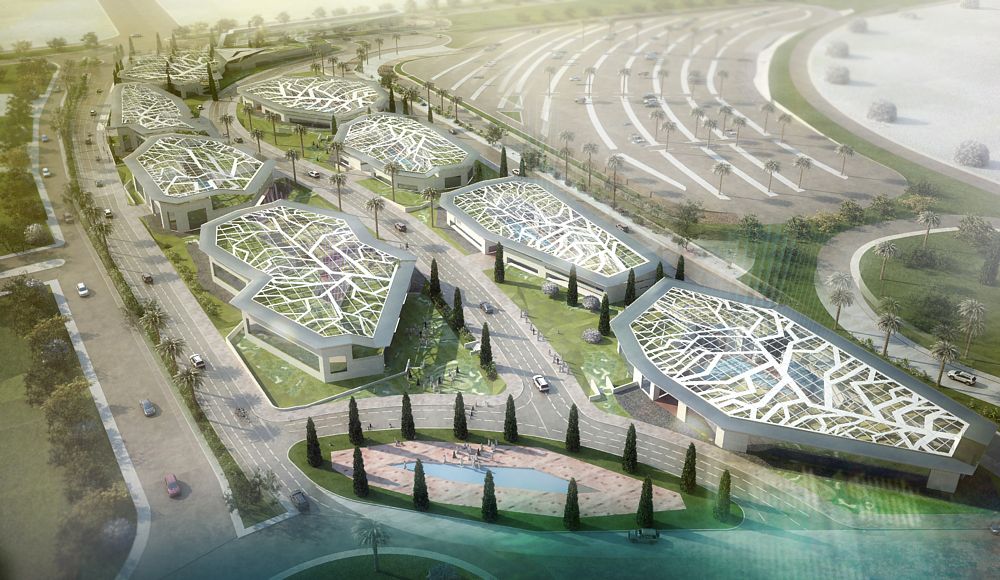
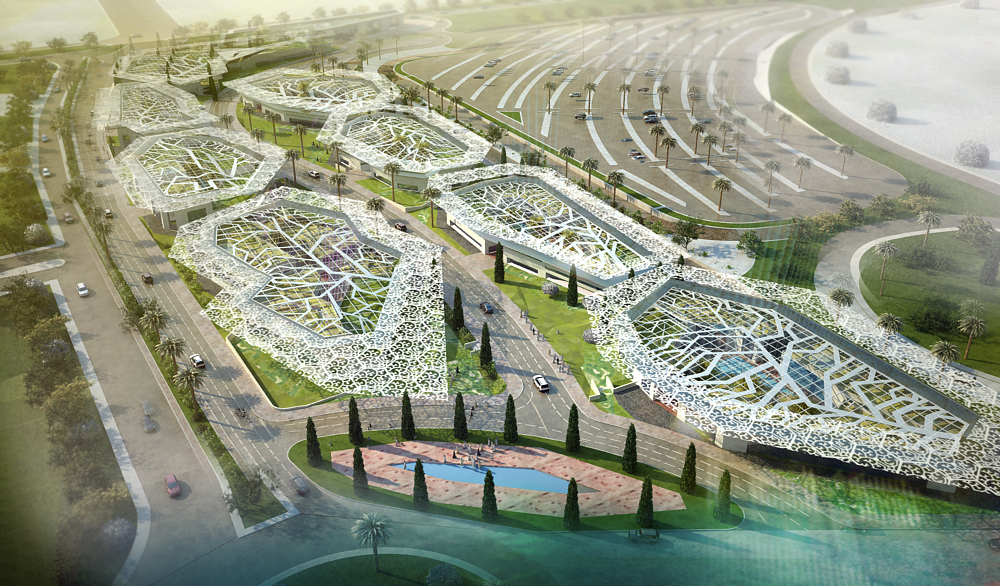
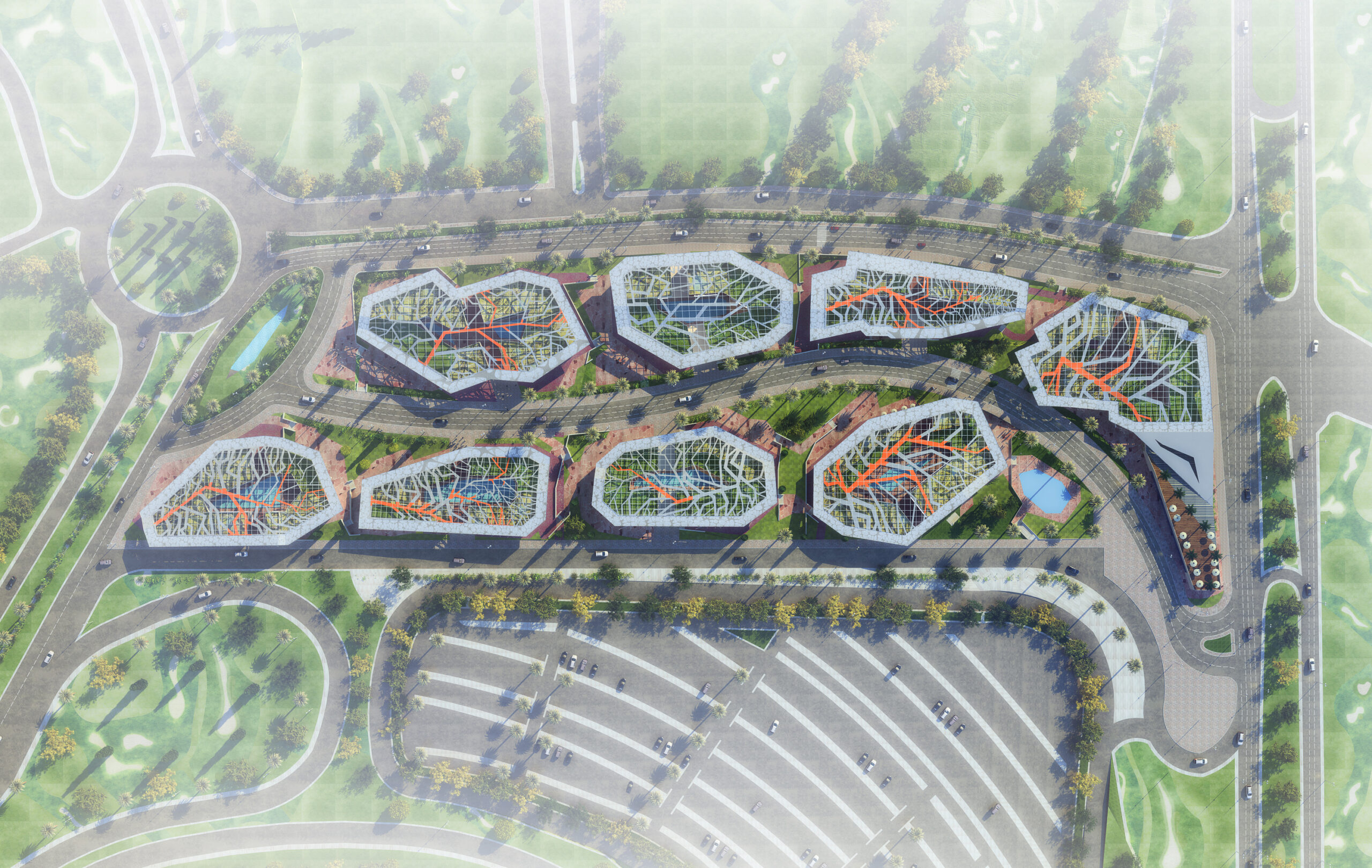
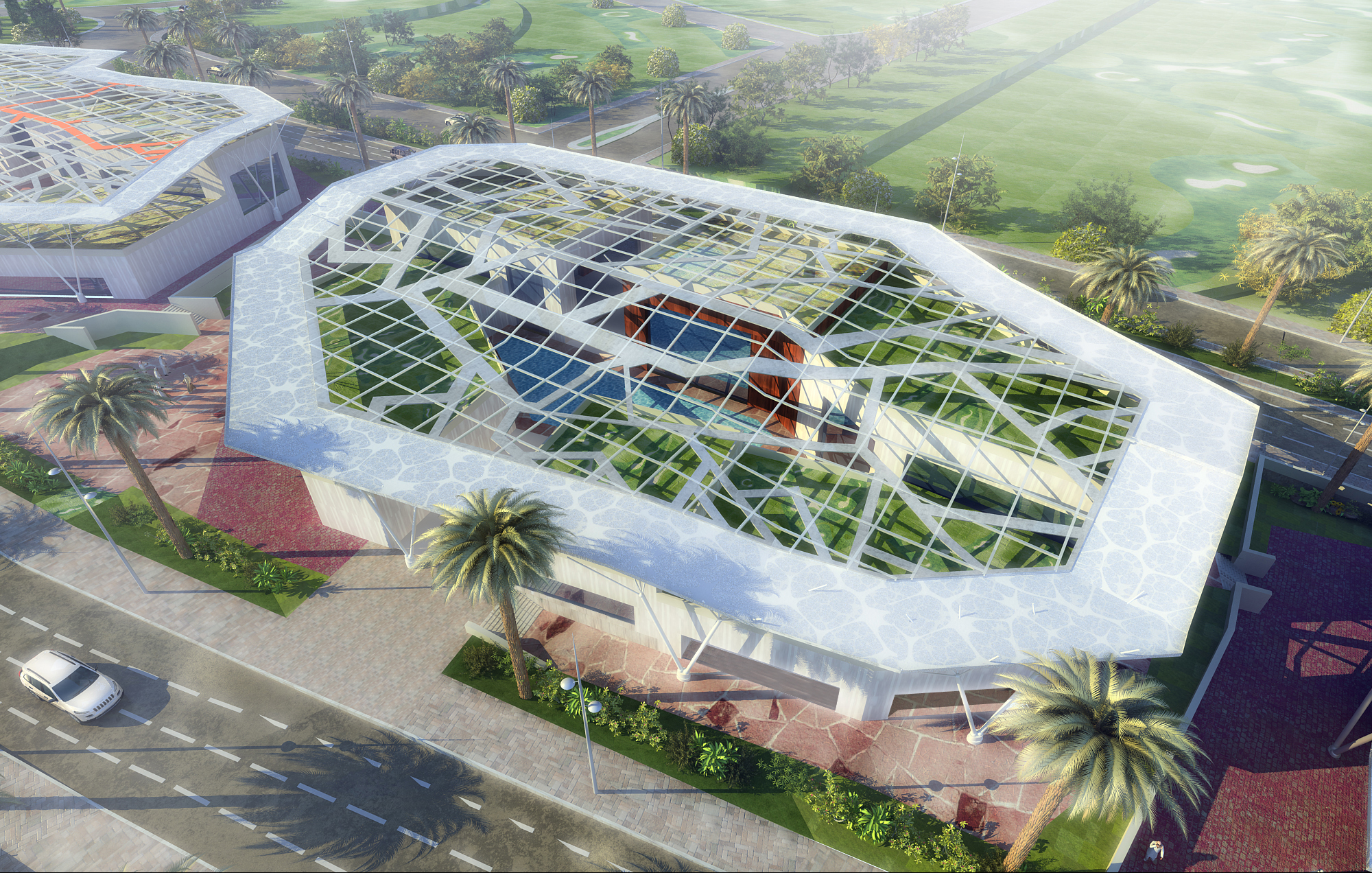
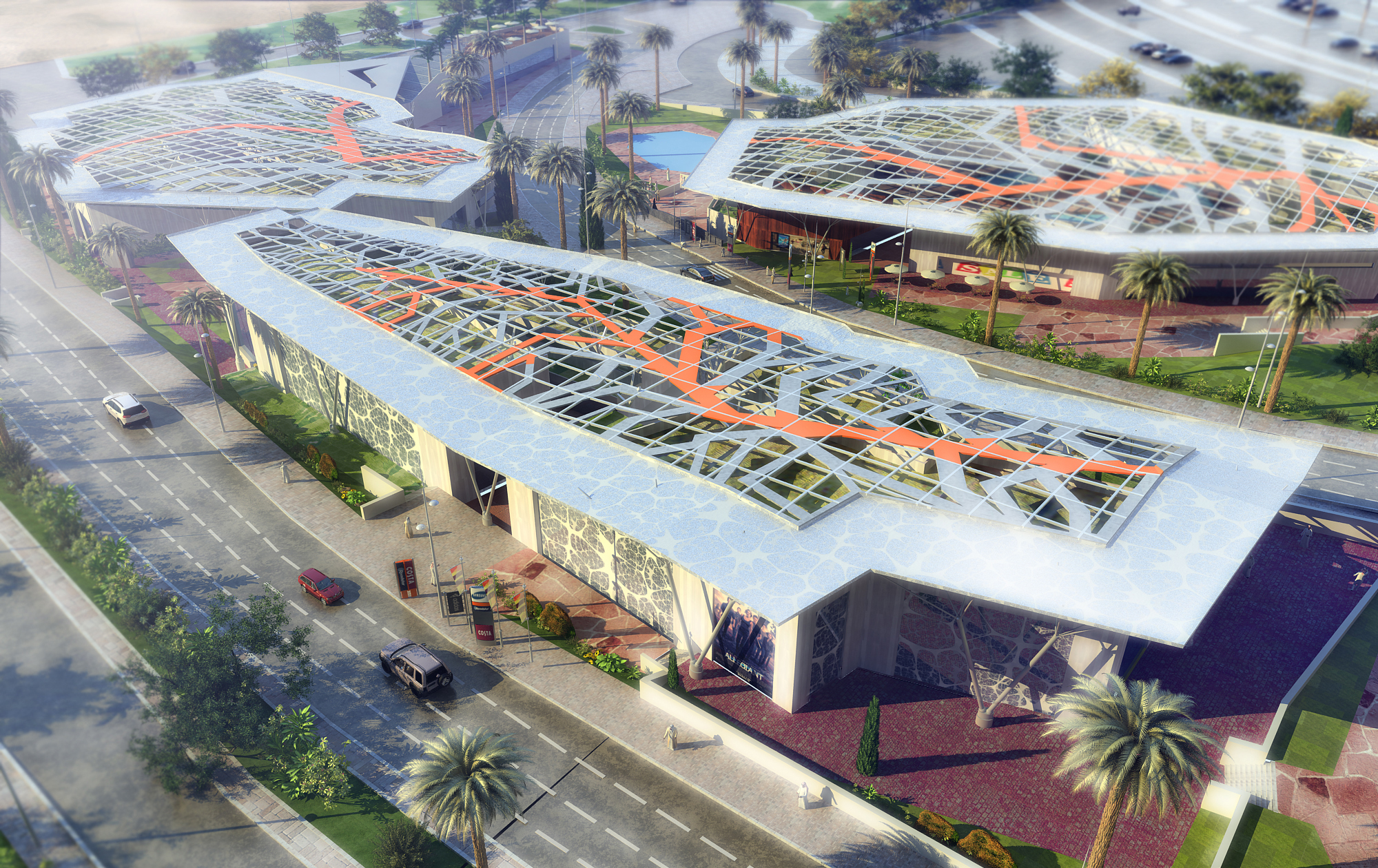
At the heart of the project is a canopy system that emulates the intricate geometry of leaf venation and tree branches. This biomimetic strategy achieves dual objectives: efficient structural load distribution and enhanced shading. By mirroring nature’s branching patterns, the design reduces the amount of structural material required, lowering embodied carbon while creating visually dynamic, lightweight forms.

The façades extend the biomimetic approach. Recesses, layered textures, and integrated vertical greenery act as “adaptive skins,” regulating heat gain, softening glare, and creating microclimates along the walkways. Every surface is an opportunity to mimic nature’s functional efficiency: porous layers allow for natural ventilation, while green pockets moderate thermal extremes.


Passive and Regenerative Performance

Sustainability in [Name of Mall] goes beyond energy efficiency—it embraces regenerative principles. Passive strategies underpin the design:

  • Natural Ventilation: Open-air corridors and breezeways facilitate cross-ventilation, drawing cooler air through retail streets.

  • Sun Moderation: The canopy, with its organic branching patterns, filters sunlight, creating shaded zones while maintaining daylight penetration.

  • Biophilic Materials: Timber, stone, and other natural textures reduce reliance on synthetic finishes and foster a sense of wellbeing.

  • Water and Energy Integration: Rainwater harvesting systems feed landscape irrigation, while photovoltaic panels on canopy surfaces contribute to onsite energy generation.

By aligning architectural systems with environmental rhythms, the mall demonstrates that large-scale commercial architecture can support ecological and social resilience simultaneously.
Spatial and Material Detailing

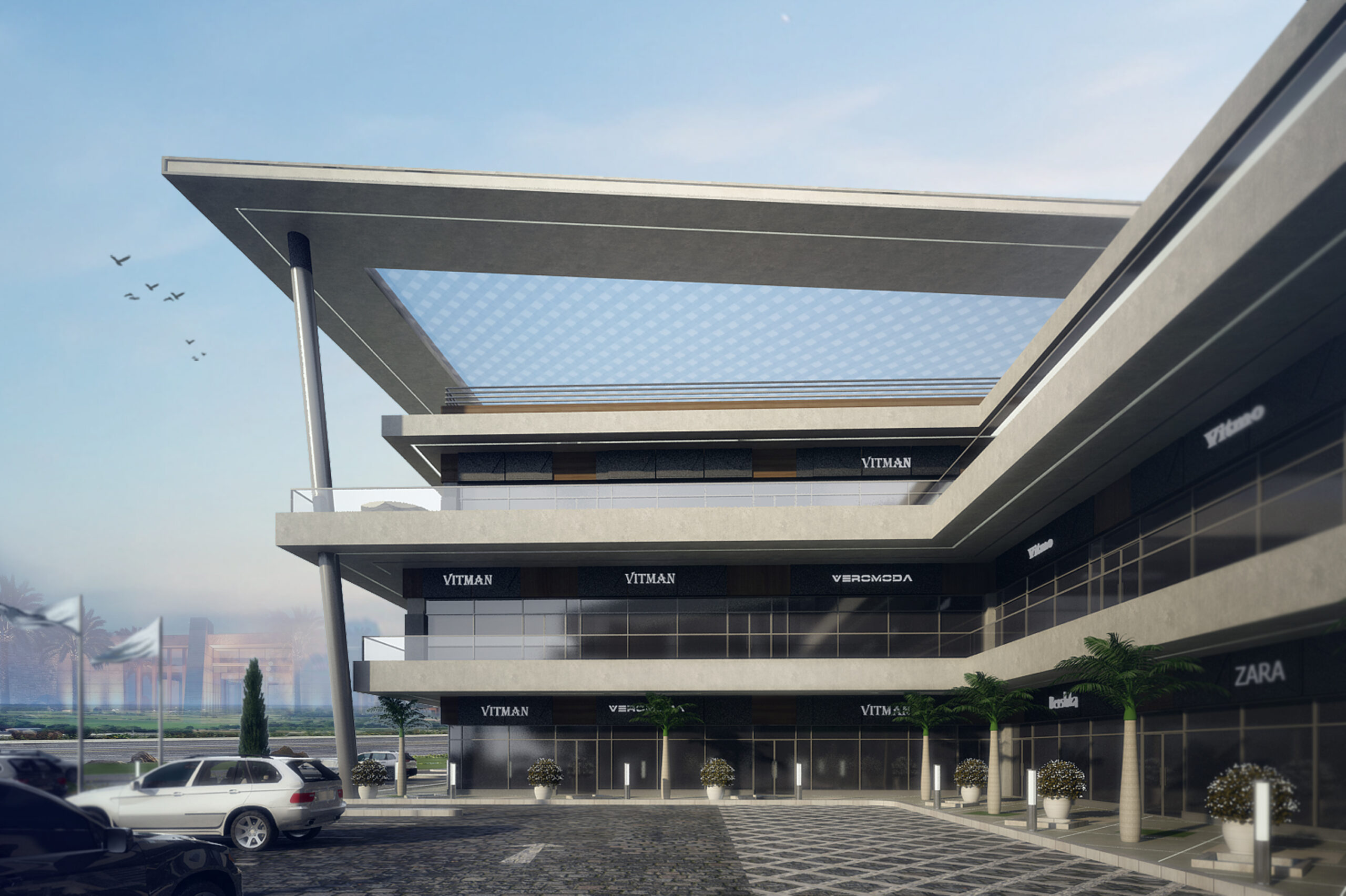
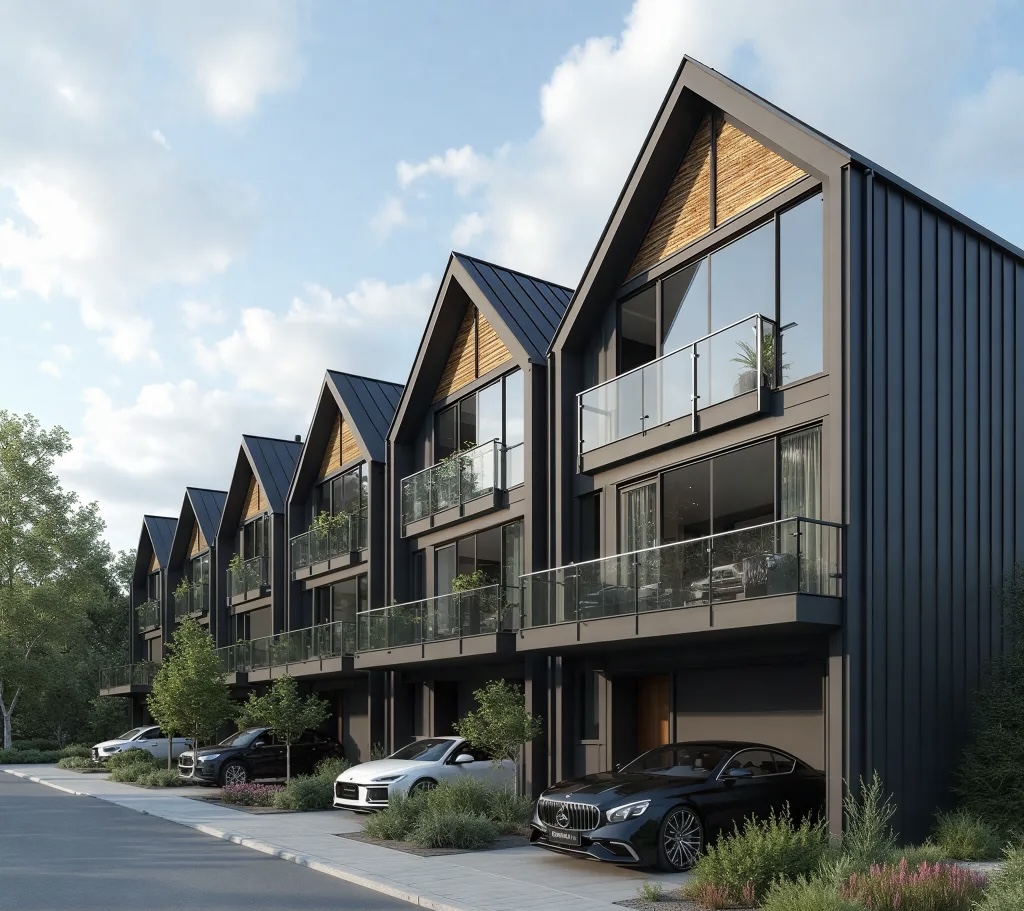
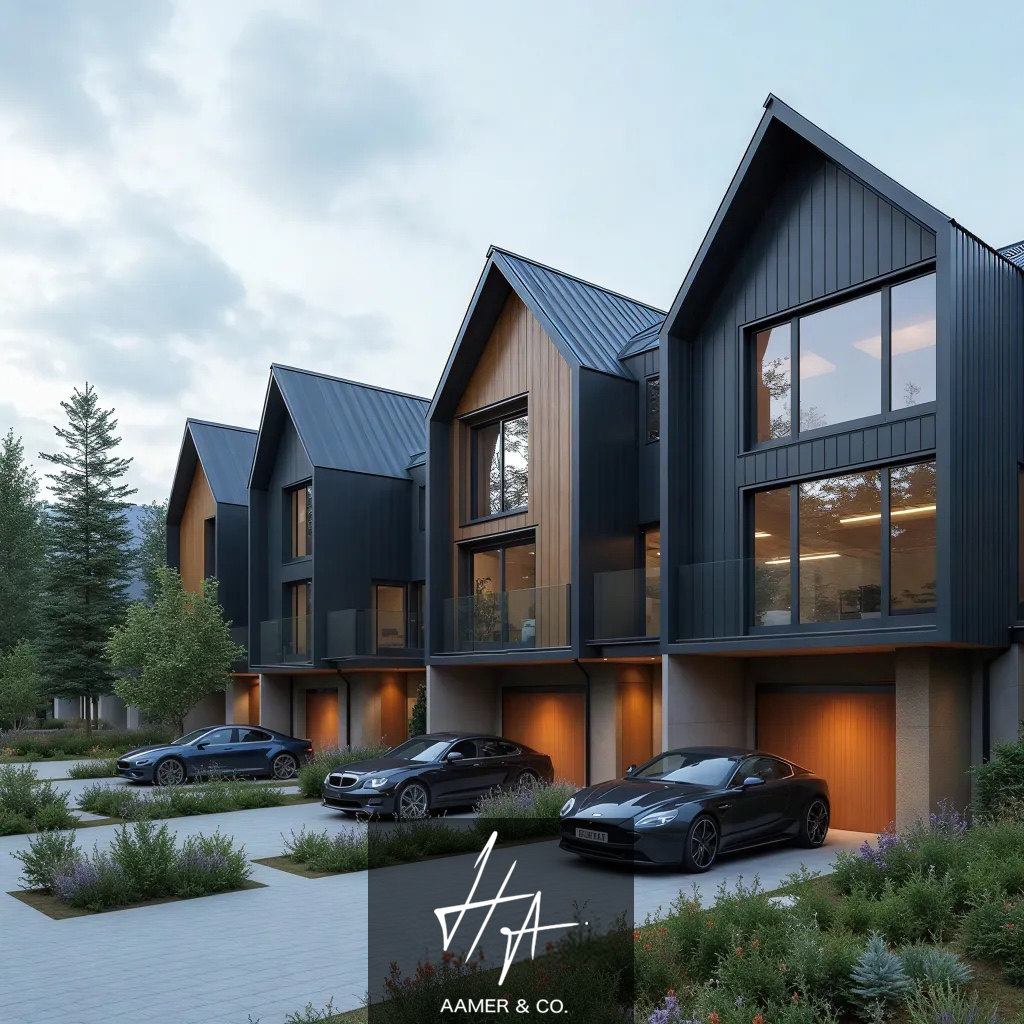
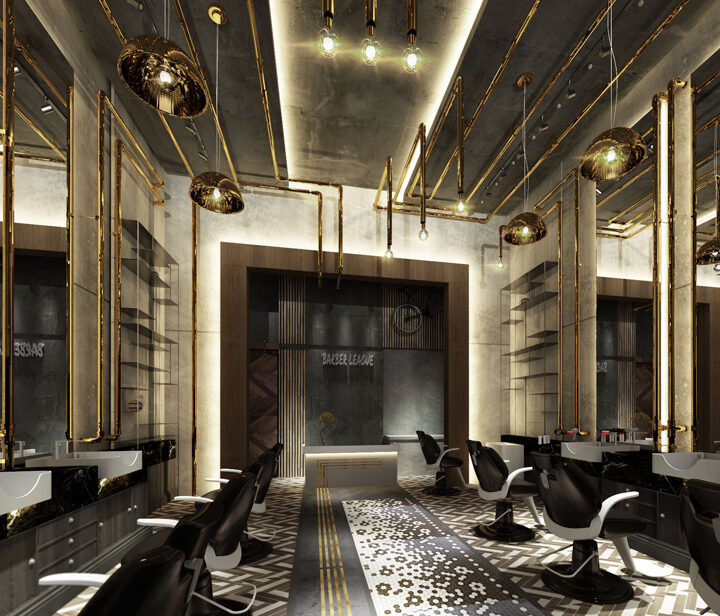
The mall balances aesthetics, comfort, and functionality with a refined palette: warm timber accents, textured stone, sculptural concrete forms, and transparent glass railings. Daylight is optimized through openings, while shading strategies prevent overheating and glare. Lush landscaping softens hard surfaces, providing respite and connection to nature, while circulation paths encourage exploration and social interaction.

Every detail reflects the intent to create spaces that feel both contemporary and timeless. The tactile experience of materials—smooth timber, textured stone, and cool concrete—connects visitors to natural elements, while clear sightlines and human-scale pathways maintain intuitive navigation.


Social, Environmental, and Economic Impacts

Beyond environmental performance, [Name of Mall] reimagines retail as a place for community gathering and cultural exchange. Outdoor plazas, shaded seating areas, and green terraces invite social interaction, events, and leisure. By integrating passive climate strategies, the mall reduces operational energy costs while enhancing visitor comfort—a tangible economic and environmental benefit.

Early data from post-occupancy monitoring shows measurable reductions in energy consumption compared to traditional malls, increased time spent by visitors, and enhanced satisfaction scores. These outcomes reinforce the potential of biomimetic design to deliver tangible performance alongside aesthetic and social value.


A Living Model for the Future

The completed Mall is more than a shopping destination—it is a living example of how architecture can learn from nature. Its biomimetic canopy, passive cooling strategies, and atmospheric streetscape set a new benchmark for sustainable, human-centered retail environments.

By bridging the gap between commerce and ecology, The Mall offers a vision for future urban development: spaces that are resilient, environmentally responsible, and joyfully alive. It demonstrates that when design aligns with natural principles, architecture can be both functional and poetic, serving people, planet, and business simultaneously.