


Sustainable & Environmental Design
We integrate sustainability at the heart of our design approach, offering environmentally conscious solutions that reduce carbon, improve efficiency, and enhance wellbeing. Our team applies biomimicry-inspired strategies, low-carbon materials, and passive design principles to create healthier, more resilient buildings. We provide environmental assessments, daylight and overheating studies, Biodiversity Net Gain input, and energy modelling through SAP/SBEM. Whether aligning with BREEAM, WELL, or local environmental policies, we help clients deliver projects that perform exceptionally—both today and for future generations.
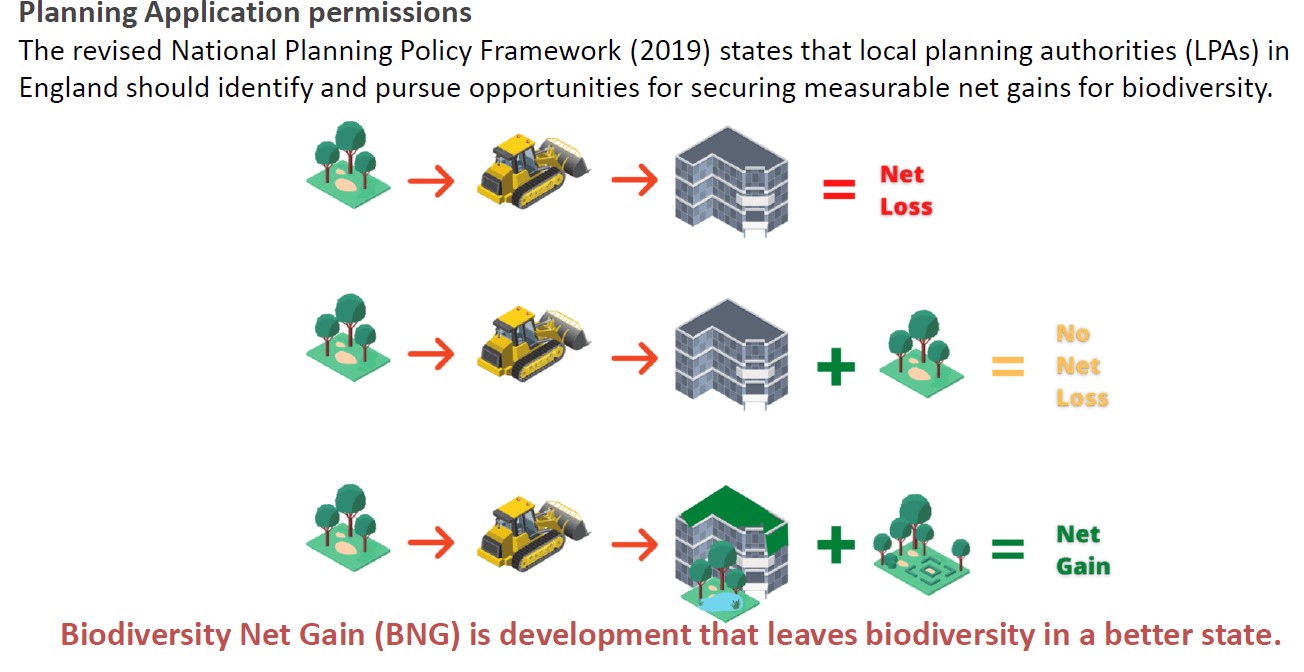
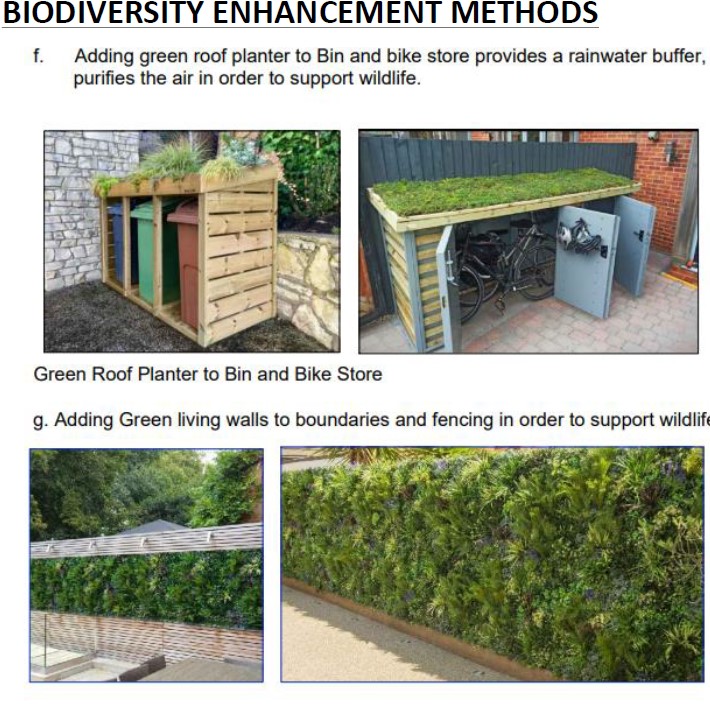 Biodiversity Net Gain (BNG) is now a key requirement in the UK planning system, ensuring that new developments leave the natural environment in a measurably better state than before. At Aamer & Co, we collaborate with ecologists and environmental consultants to integrate BNG early in the design process, allowing us to create layouts that protect habitats, enhance green spaces, and meet local authority expectations. Whether your project requires habitat creation, landscaping strategies, or compliance documentation, we ensure your development not only meets statutory BNG targets but also contributes to long-term ecological value and community wellbeing.
Biomimicry & Low-Carbon Design
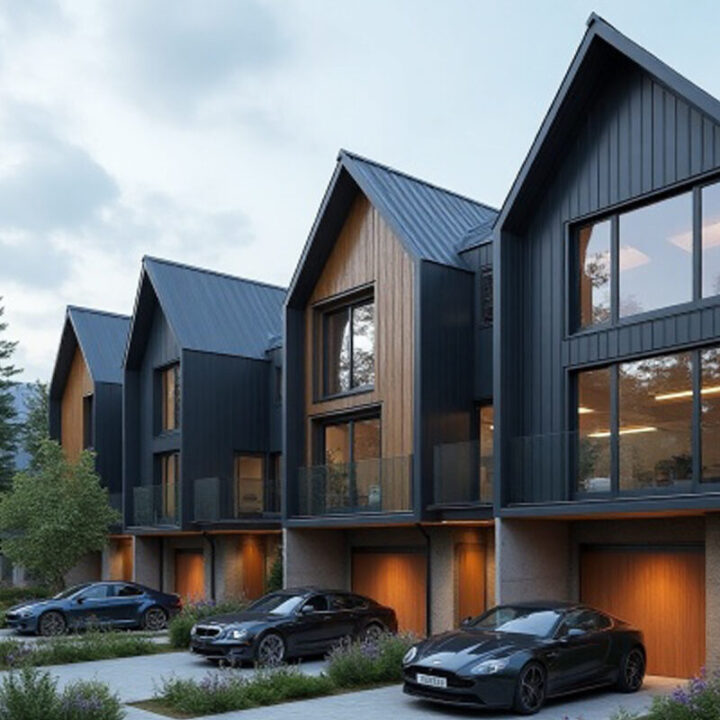
We integrate biomimicry-inspired strategies that take cues from natural systems to improve efficiency and comfort. Our recommendations include low-carbon materials, passive cooling, natural lighting, and climate-responsive forms that enhance wellbeing and reduce energy dependence.


Environmental Studies & Reporting
We provide the technical analyses needed for planning and performance compliance, including:

Biodiversity Net Gain (BNG) integration
-
Overheating and daylight studies
-
SAP/SBEM energy modelling
-
Sustainability statements
-
BREEAM & WELL aligned design
We make sustainability achievable, practical, and measurable.
Why It Matters
Sustainable design supports long-term value, reduces costs, meets policy demands, and contributes to healthier environments.