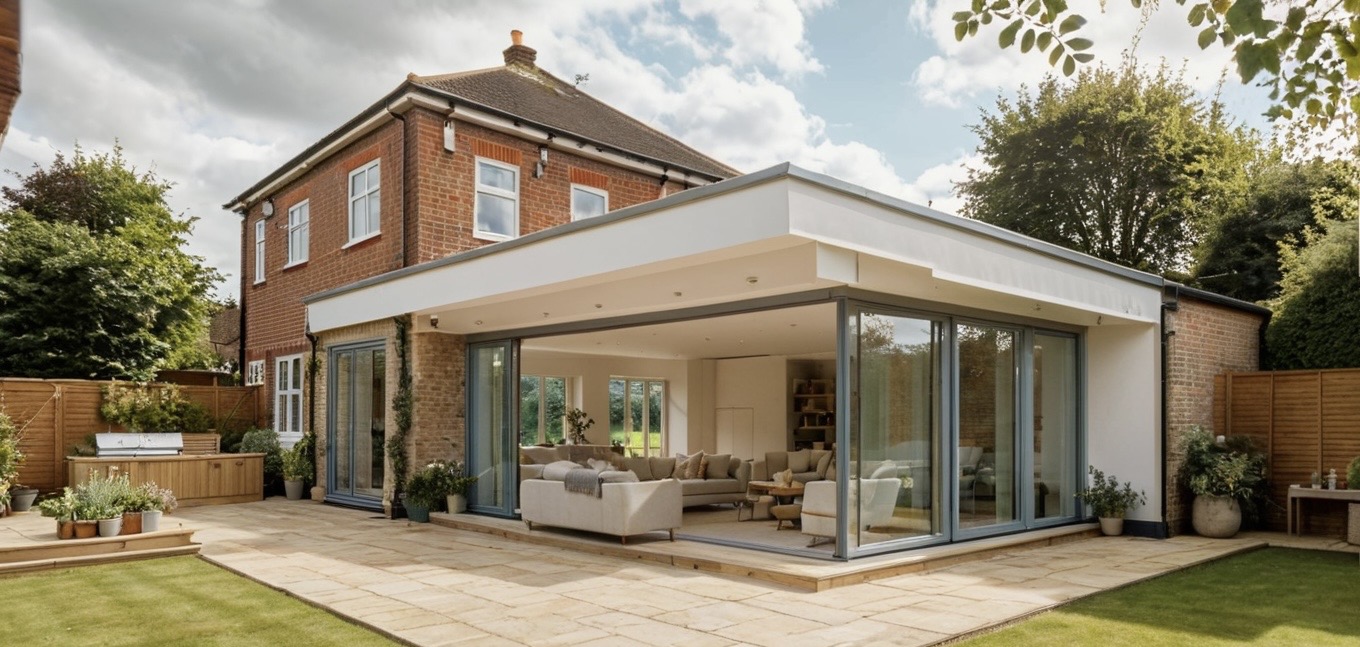
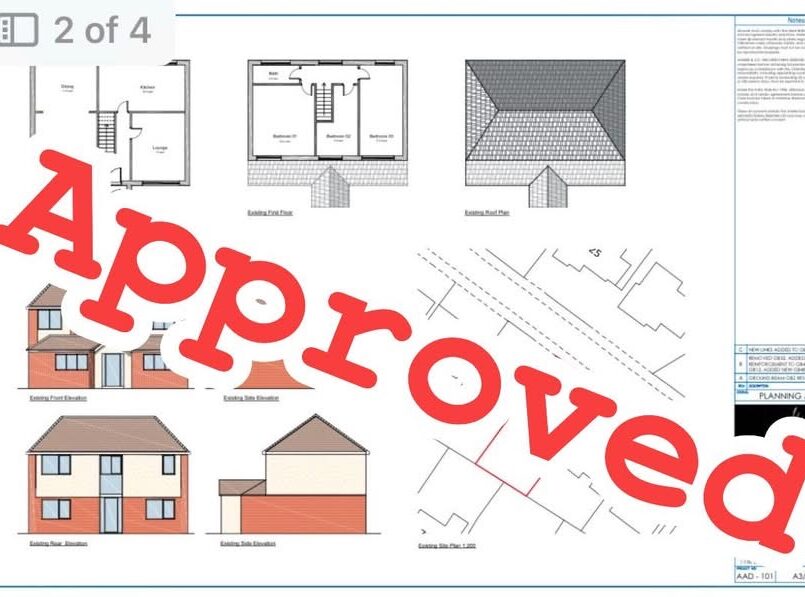
Rear extensions are one of the most popular ways to increase living space in UK homes. At AAMER & CO., we specialise in designing permitted development rear extensions that are functional, stylish, and fully compliant with UK regulations. Here, we answer the most common questions homeowners ask about rear extensions.
1. What is a Rear Permitted Development Extension?
A rear permitted development (PD) extension allows homeowners to extend their property without a full planning application, provided the project meets specific limits set by the UK Government. These rules cover maximum depth, height, and total coverage of the property’s rear garden.
Single-storey limits: Up to 4 m for detached houses and 3 m for semi-detached or terraced houses. (gov.uk)
Two-storey limits: Maximum 3 m beyond the original rear wall, with minimum distance requirements from boundaries.
Coverage: Extensions plus outbuildings must not exceed 50% of the original garden area.
2. Do I Need Planning Permission for a Rear Extension?
Not always. Many rear extensions fall under permitted development rights. However, extensions beyond the limits, or on protected land such as conservation areas or listed buildings, will require full planning permission. Larger single-storey extensions may also require prior approval from the local authority, including neighbour consultation.
3. How Can a Rear Extension Improve My Home?
Rear extensions create extra living areas, increase natural light, and improve ventilation. They can transform a kitchen, dining, or lounge space, and increase the overall value of a property. Flexible layouts allow rooms to adapt to changing family needs over time.
4. What Design Challenges Should I Consider?
Even under permitted development, careful design is essential. Common considerations include:
Neighbour impact: Ensuring the extension does not block light or overlook neighbouring gardens
Structural integration: Seamlessly connecting new and existing spaces
Aesthetic consistency: Using materials and finishes that complement the existing building
With thoughtful design, these challenges can be addressed while creating a space that feels both practical and beautiful.
5. Tips for Homeowners Considering a Rear Extension
Prioritise light and flow to make spaces bright and welcoming
Respect boundaries and regulations, including neighbour notifications if needed
Design flexible spaces that can adapt to future needs
Choose materials and finishes that blend with the existing home for a cohesive look
6. Why Work With an Experienced Architecture Team?
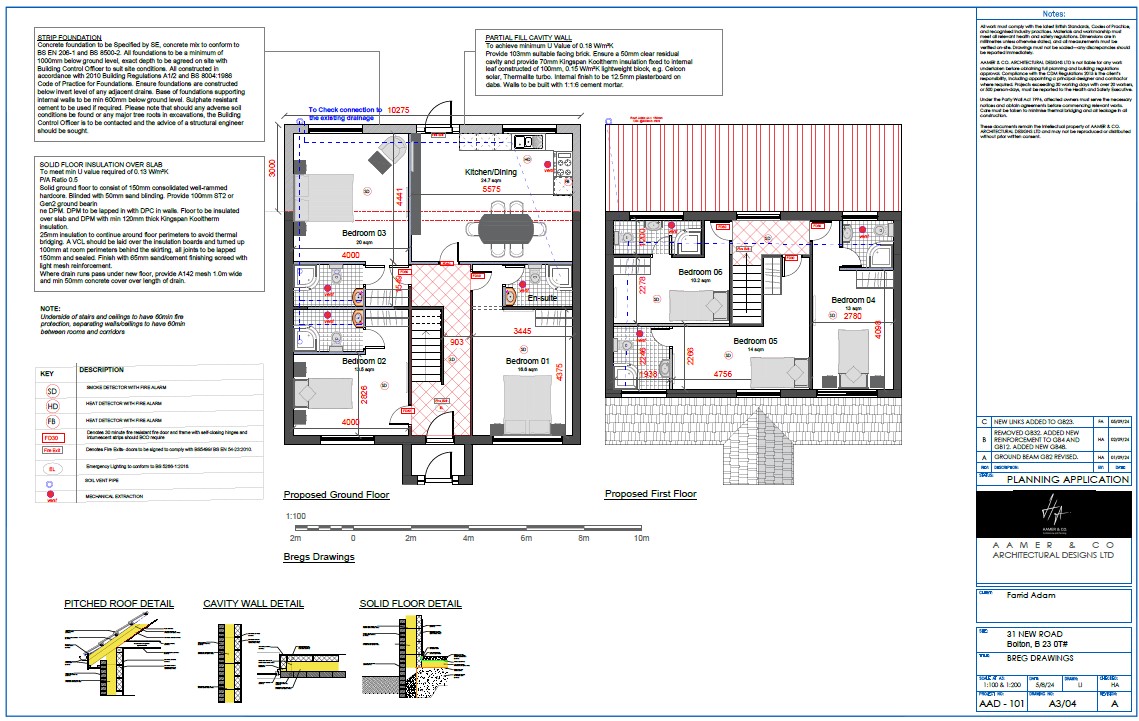
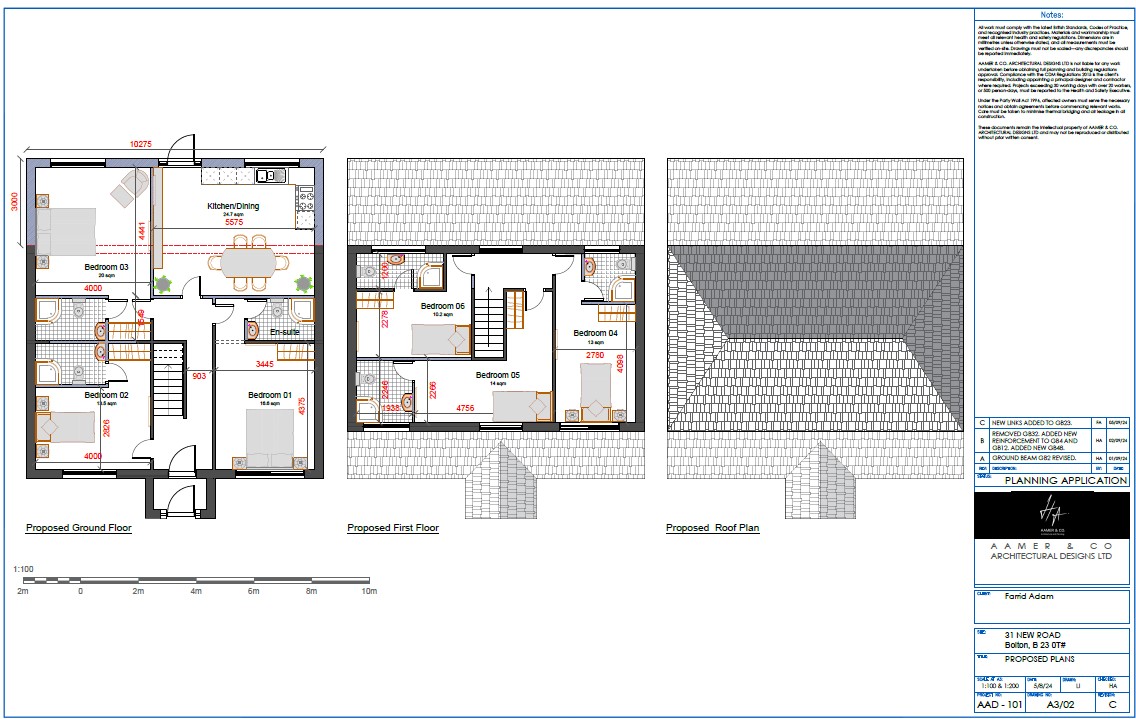
A professional team can manage every stage of the rear extension project, including concept and layout design, planning and PD compliance, 3D visualisation, material selection, and full architectural drawings. This ensures the extension is stylish, practical, and delivered efficiently from start to finish.