




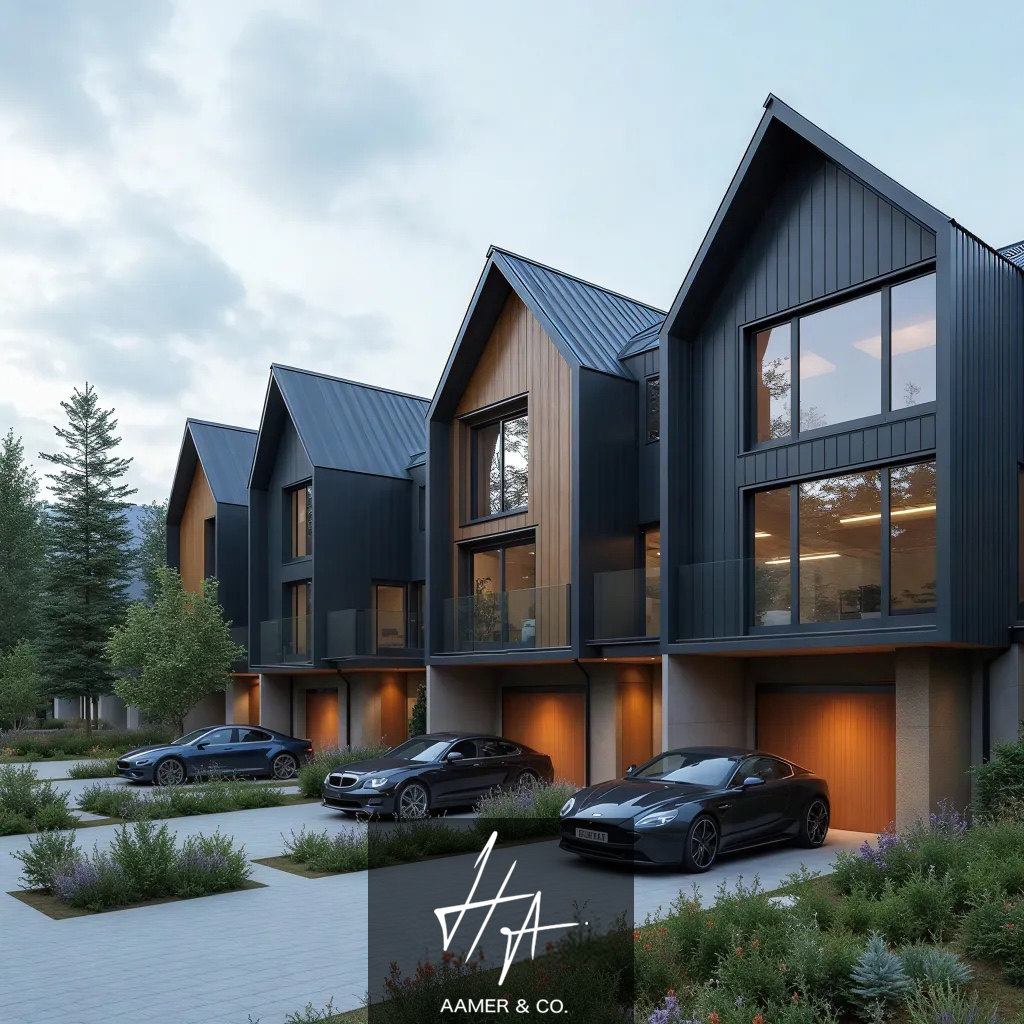
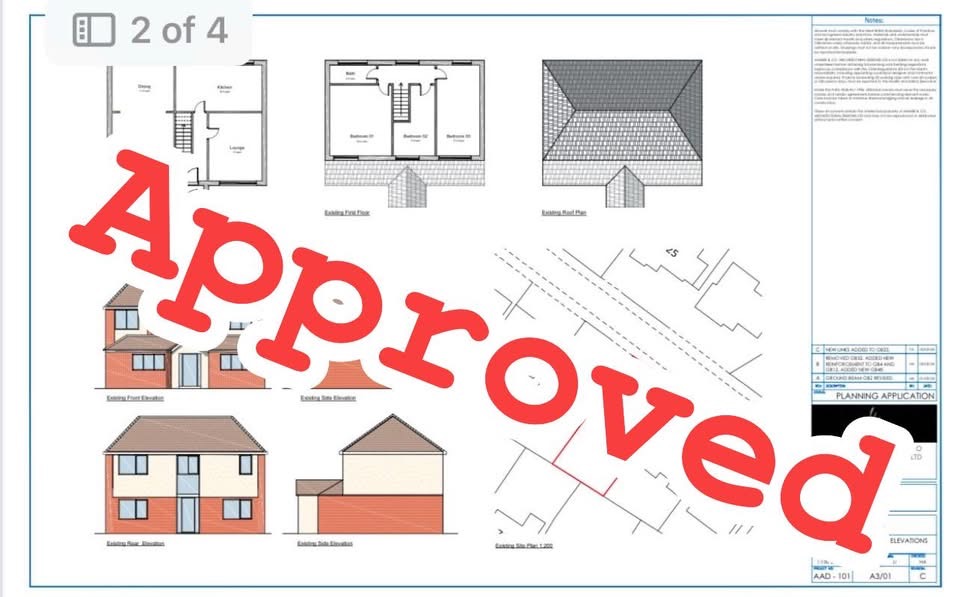
Key Stages Every Property Investor Must Know
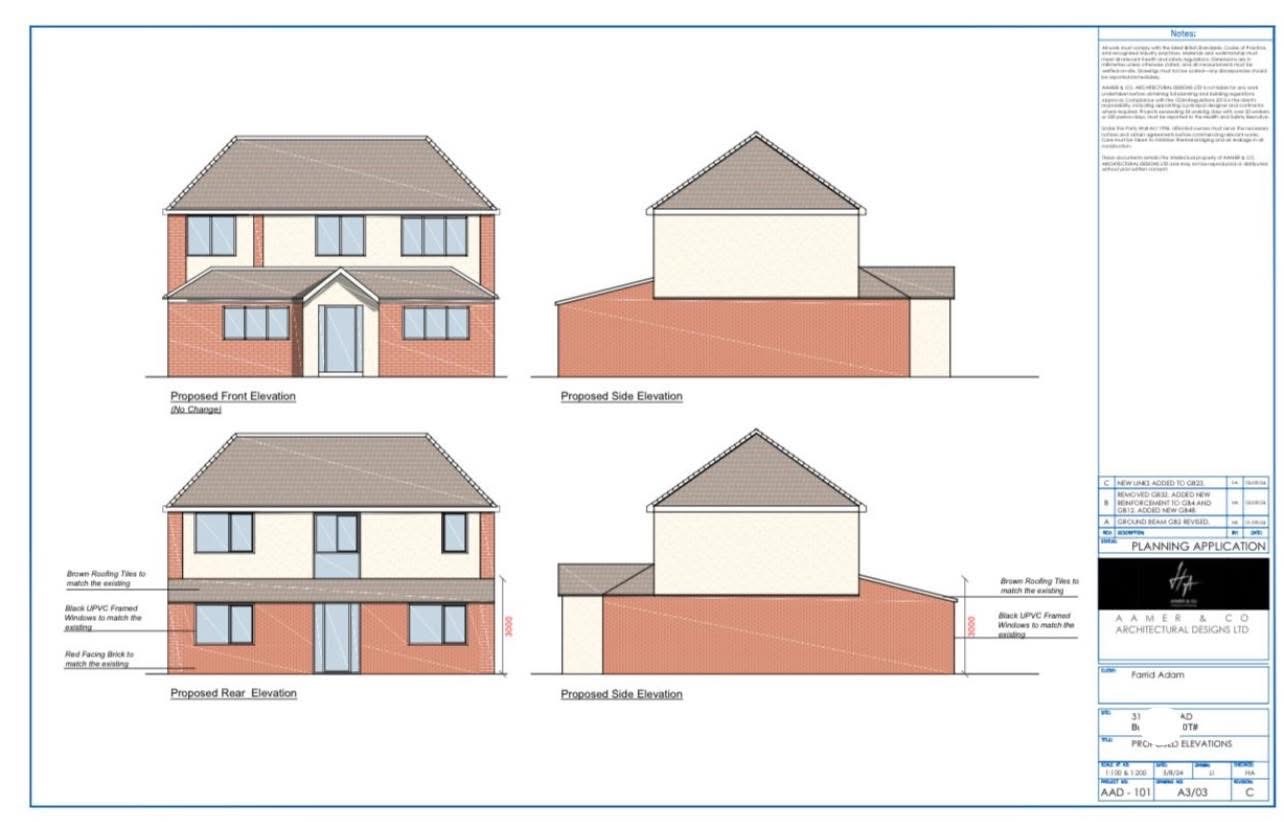
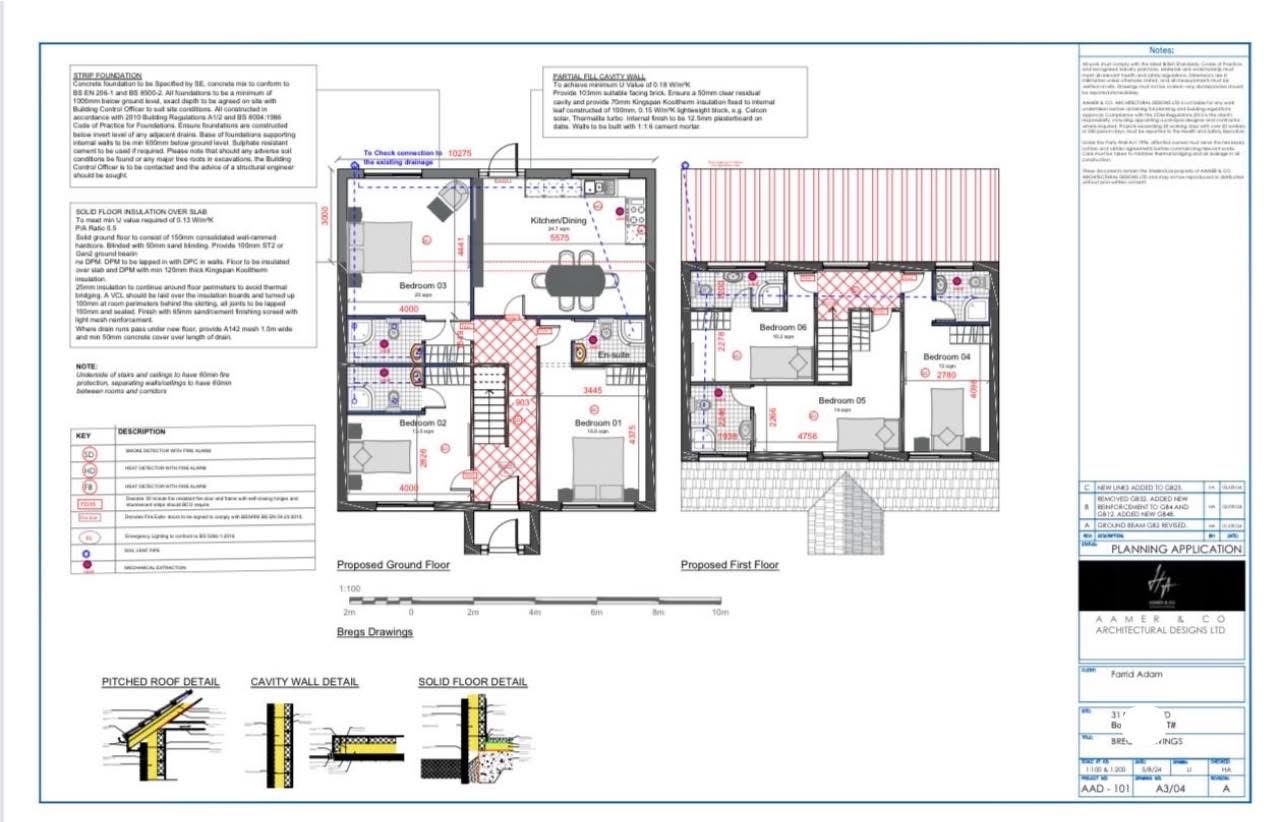
A Complete Guide to Home Extensions & HMO Conversions
HMO conversions and home extensions are among the most profitable development strategies in today’s UK property market, often achieving 30–50% yearly returns when done correctly. But behind every successful project is a clear architectural process—one that ensures the development is legally compliant, cost-effective, and designed for long-term performance.
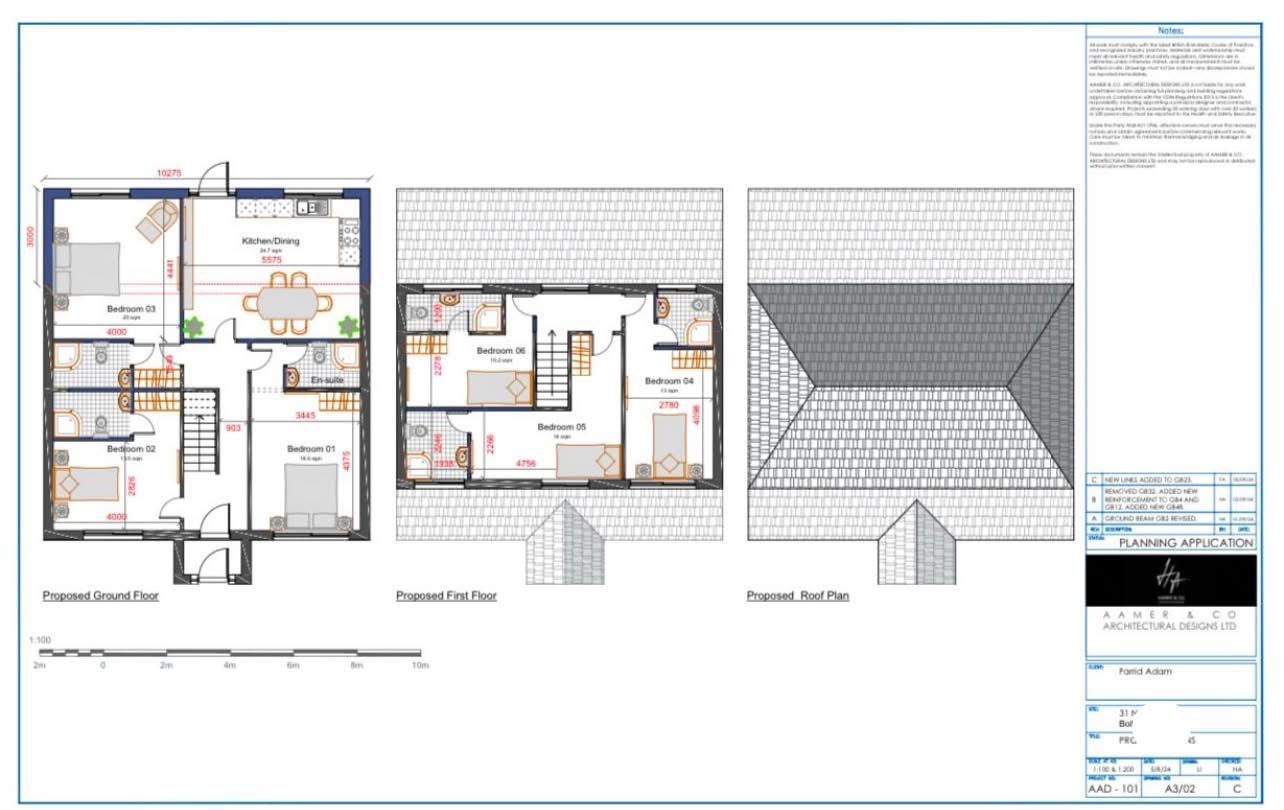
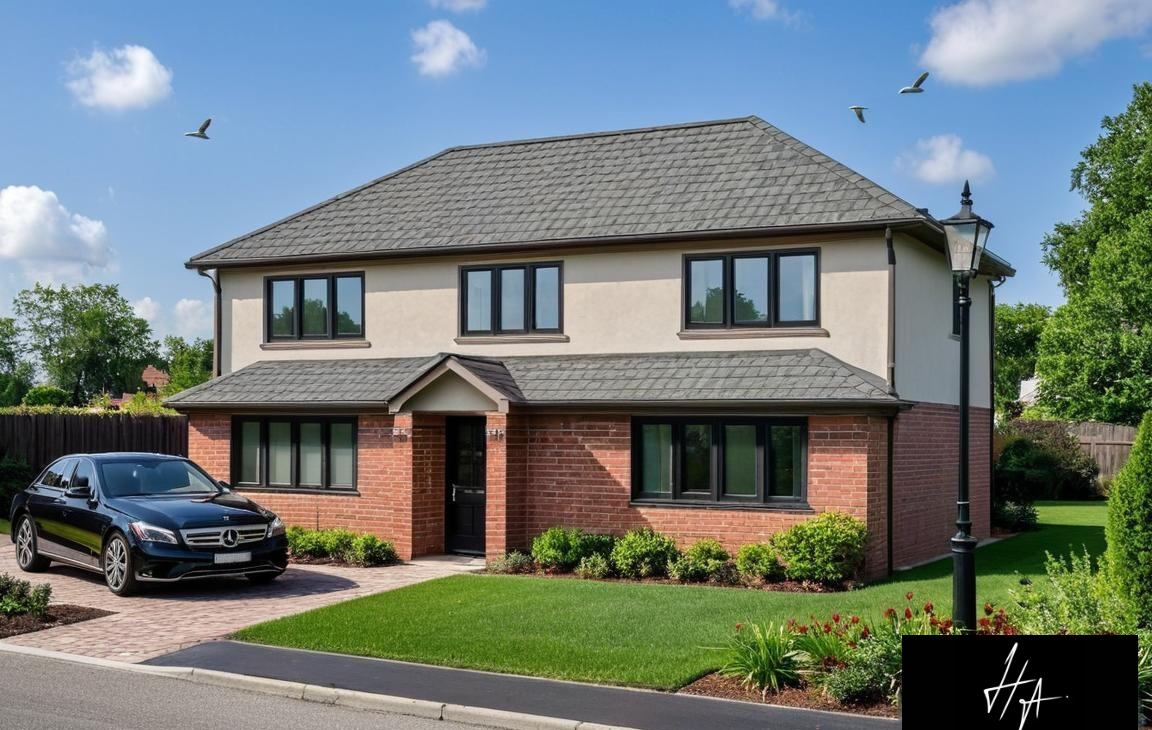
In this blog, we break down the essential stages of home extensions and HMO conversions, using our ongoing project on Whitehill Avenue, Luton (LU1) as a real-life example of how the process works.
1. Feasibility Study: The Most Important Step Before You Buy
Before purchasing any property for HMO or extension potential, a feasibility study is essential.
This helps determine whether the property is worth the investment and what can realistically be achieved.
We assess:
-
Whether the street falls under an Article 4 direction
-
Potential for rear, side, or loft extensions
-
Compliance with minimum HMO room sizes
-
Fire escape requirements and circulation
-
Estimated rental income and ROI projections
-
Structural limitations and planning constraints
A few hours of feasibility saves investors thousands and provides clarity from day one.
2. Understanding Planning Paths: Permitted Development vs. Full Planning
Not all projects require planning permission. Some can be completed under Permitted Development (PD)—a major advantage for investors.
Permitted Development Allowed:
-
Rear extension (within specified size limits)
-
Loft conversion (dormer within PD limits)
-
Garage conversion
-
6-bed HMO (C3 → C4) if outside Article 4 areas
Full Planning Permission Required For:
-
HMO above 6 bedrooms (Sui Generis)
-
Extensions exceeding PD limits
-
External alterations outside PD rules
-
Any development in Article 4 zones
Our Luton project currently fits under PD for a 6-bed HMO and rear extension, with an application planned later for a 10-bed expansion.
3. Lawful Development Certificate (LDC): Protecting Your Project
Even when a development qualifies under PD, an LDC is strongly recommended.
It confirms that the council legally recognises the work as permitted, protecting you against:
-
Future enforcement
-
Planning disputes
-
Valuation issues
-
Refinance complications
We submit full architectural drawings, site plans, and compliance statements to obtain this certificate.
4. Design Stage: Creating an Efficient and Compliant HMO Layout
Good HMO design is more than adding extra bedrooms.
It requires careful planning to ensure:
-
Spacious, compliant rooms
-
Functional circulation routes
-
Adequate shared spaces
-
Natural light and ventilation
-
Fire safety and compartmentation
-
Efficient structural use
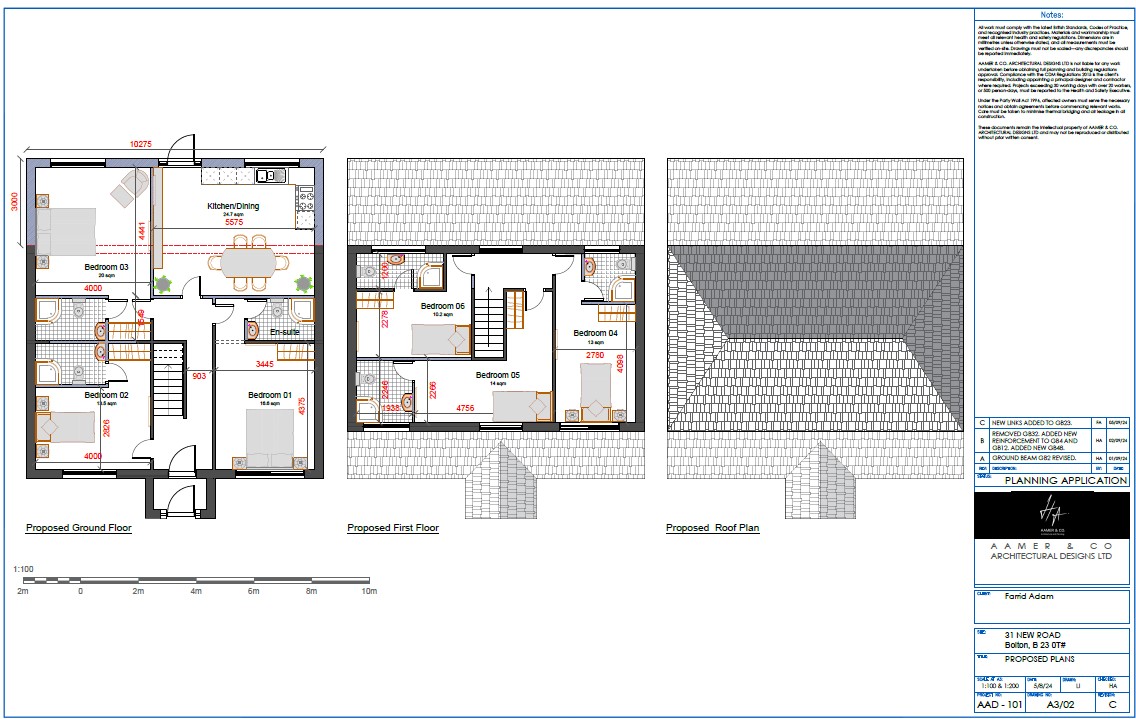
Our current design transforms the property into a 6-bedroom HMO, with the layout already prepared for a future 10-bedroom upgrade.
5. Planning Application Stage (If Required)
When moving beyond PD—such as converting to a 10-bed HMO—a full planning application is needed.
We prepare all required supporting documents, including:
-
Design & Access Statement
-
Waste Management Statement
-
Existing and proposed drawings
-
Housing standards statement
-
Site and block plans
-
Fire safety notes
-
Drainage and services considerations
A complete submission increases approval success and reduces delays.
6. Building Regulations: Ensuring Safety & Quality
Regardless of whether you need planning permission, Building Regulations approval is mandatory.
This covers:
-
Structural integrity
-
Thermal performance
-
Fire safety and alarms
-
Sound insulation
-
Plumbing and drainage
-
Electrical compliance
-
Emergency escape routes
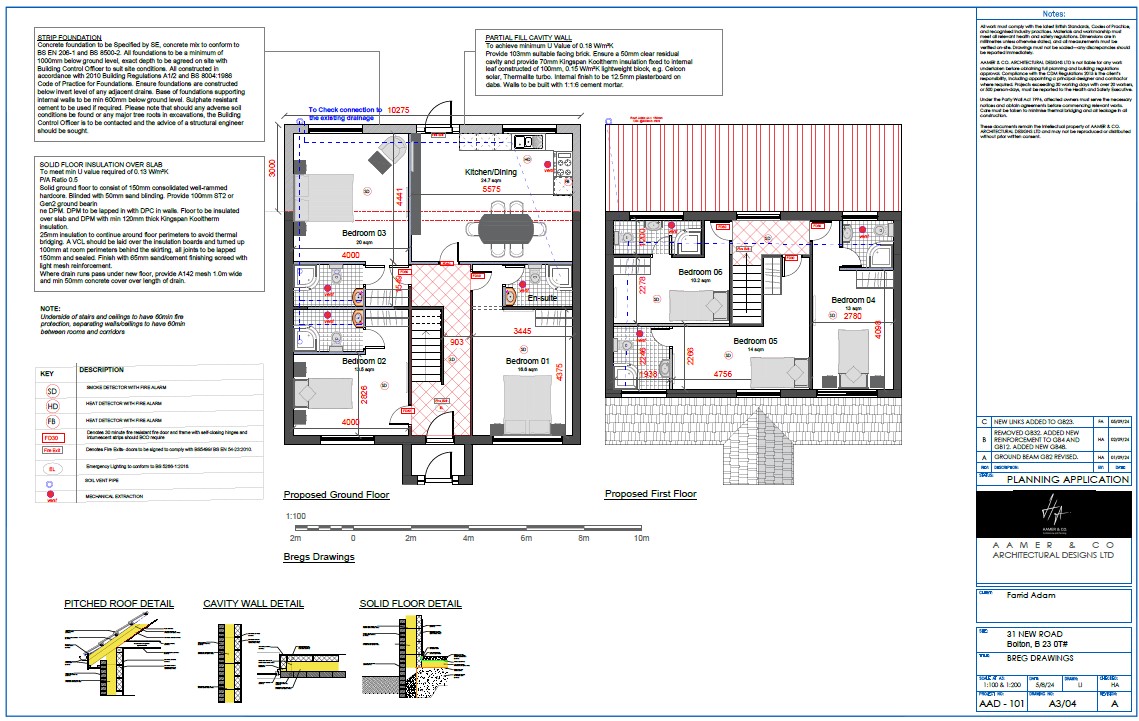
We handle all drawings, calculations, and coordination with Building Control.
7. Construction & Project Delivery
Once approvals are in place, construction begins.
This includes:
-
Rear extension works
-
Internal alterations and partitions
-
Fire safety installation
-
Electrical and plumbing upgrades
-
Kitchen and bathroom installation
-
Flooring, finishes, and inspections
Our team ensures the build aligns with approved drawings and regulations.
8. HMO Licensing & Final Sign-Off
The final stage is securing the property’s HMO Licence.
This involves:
-
Council inspection
-
Fire door and alarm certification
-
Electrical and gas safety certificates
-
Building Control completion
-
Final compliance checks
Once approved, the property becomes a fully licensed, high-yield HMO.
Conclusion: A Structured Process Leads to Higher Returns
The project on Whitehill Avenue demonstrates how following the correct stages—feasibility, planning, design, compliance, and licensing—ensures a smooth, profitable HMO conversion.
For investors, understanding these steps is the key to turning an ordinary house into a long-term, cash-flowing asset.
If you’re planning an HMO conversion or extension, we can guide you through each stage—from feasibility to final licence.
 Contact us for a feasibility assessment before you buy your next investment property.