





Five Strategic Errors to Avoid in HMO Conversions
C onverting a property into a House in Multiple Occupation (HMO) can be a highly lucrative investment. However, without careful planning and execution, even a seemingly profitable project can encounter serious challenges. From compliance issues to inefficient layouts, certain mistakes can drastically reduce the potential of your HMO. Here are five strategic errors to avoid when planning a conversion:
1. Ignoring Local Planning Regulations and Licensing
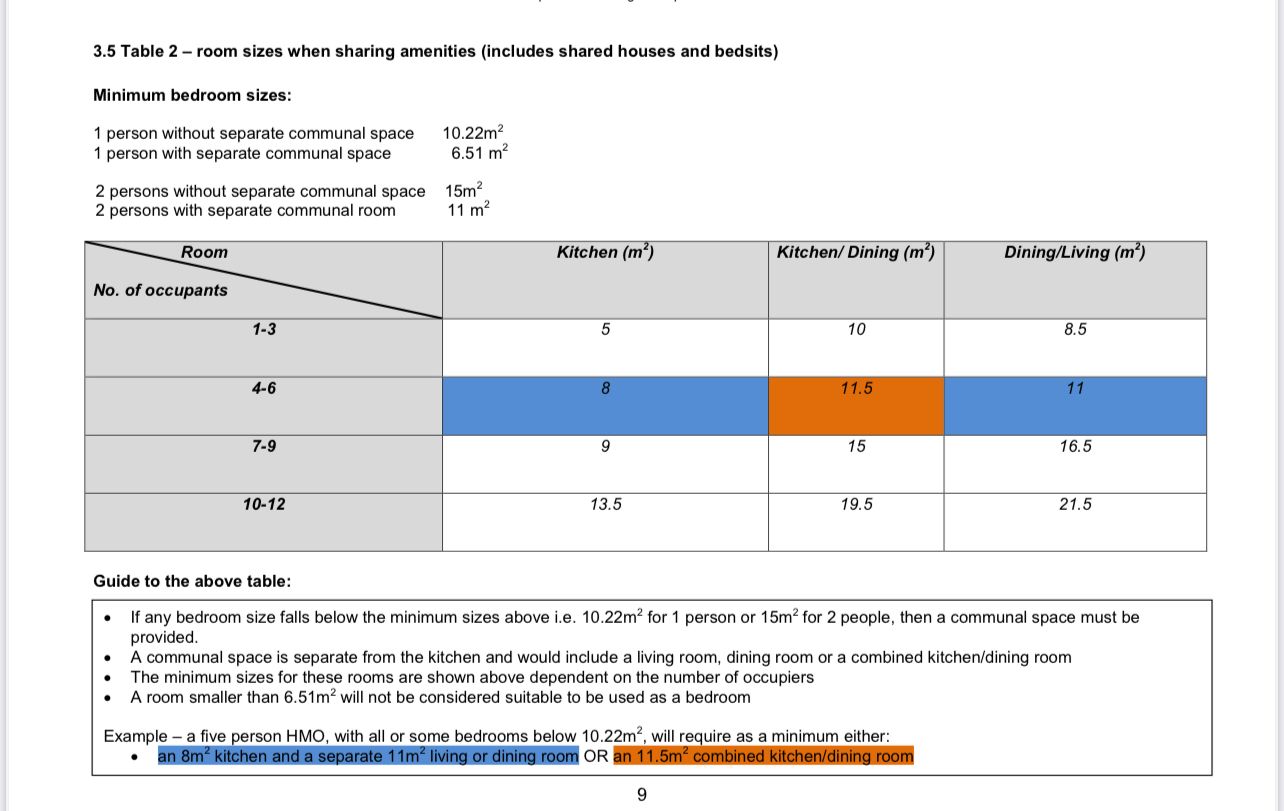
One of the most common mistakes in HMO conversions is failing to comply with local planning regulations and licensing requirements. Each council has specific rules regarding the number of occupants, room sizes, and fire safety standards. Overlooking these regulations can result in fines, legal action, or even the revocation of your license. Always consult local authorities and ensure your HMO meets both planning and legal requirements before starting any work.
2. Poor Space Planning and Layout Design
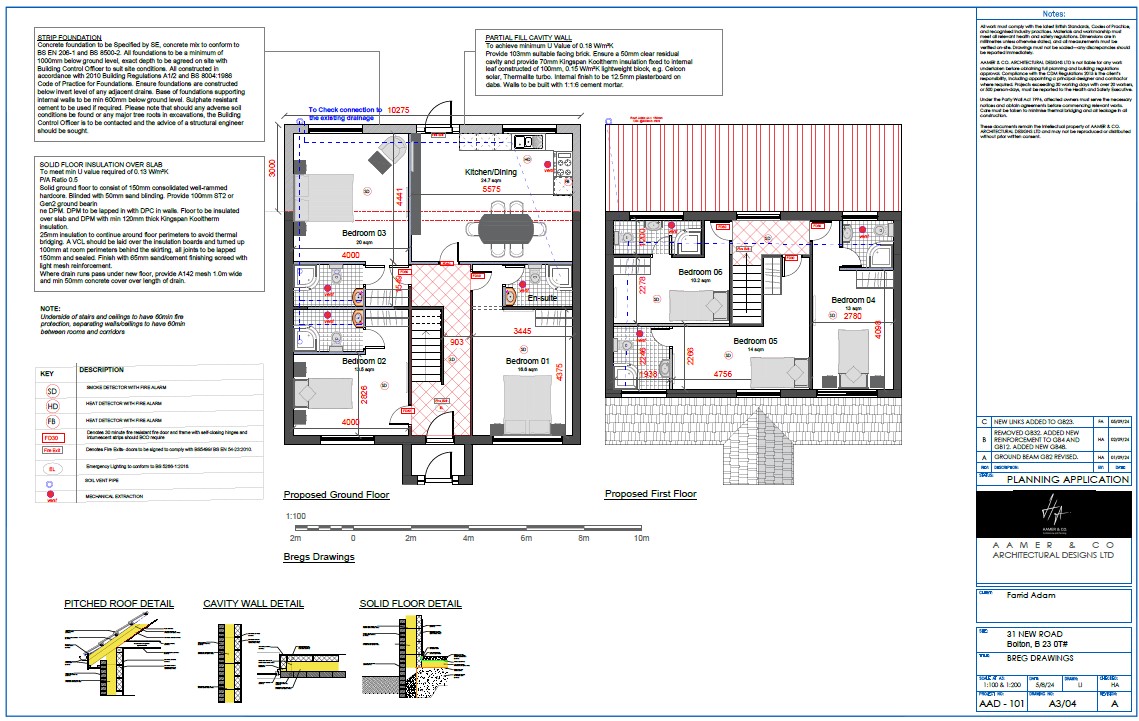
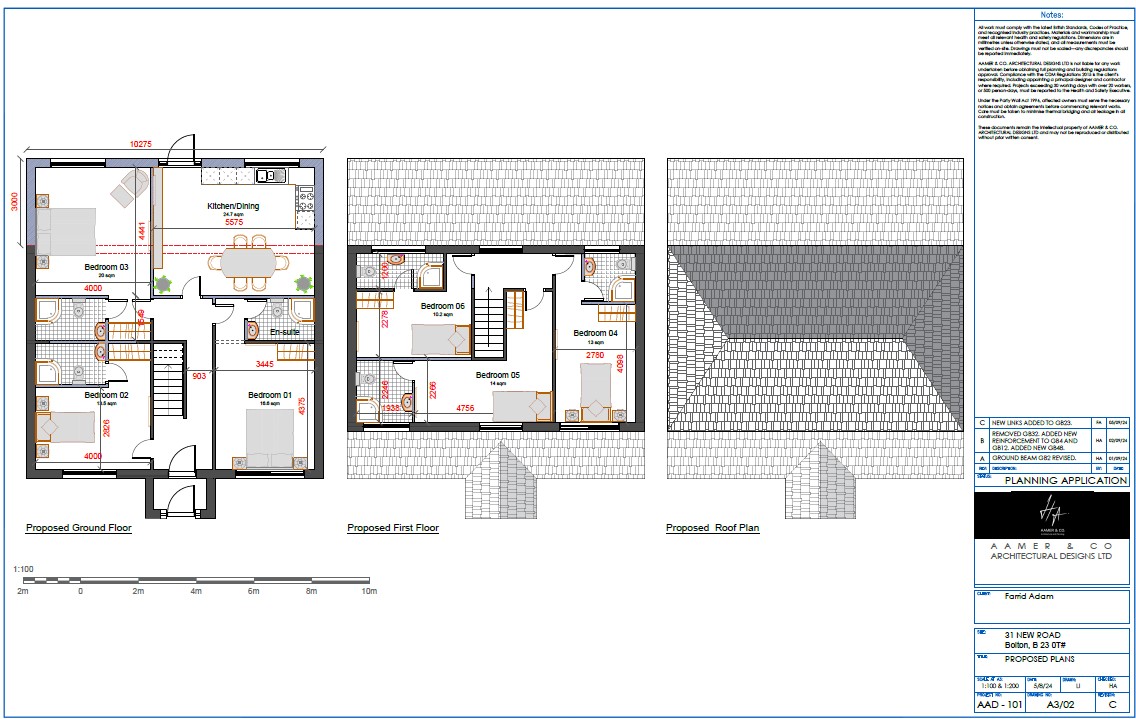
Maximising rental income often tempts investors to cram too many rooms into a property. However, overcrowding or poorly designed layouts can lead to tenant dissatisfaction and reduce long-term profitability. Strategic HMO design should prioritise efficient circulation, privacy, natural light, and practical shared spaces such as kitchens and bathrooms. An intelligently planned layout can increase rental appeal while maintaining comfort and safety.

3. Inadequate Fire Safety and Risk Management
Fire safety is non-negotiable in HMO conversions. Installing insufficient or poorly placed smoke alarms, fire doors, or escape routes is a serious error that can put tenants at risk and lead to heavy penalties. A thorough fire risk assessment, carried out by a certified professional, ensures compliance with UK fire safety standards and provides peace of mind for both landlords and tenants.
4. Overlooking Ongoing Operational Costs
While many focus on initial conversion costs, ongoing operational expenses—including utilities, maintenance, cleaning, and insurance—are often underestimated. Failure to account for these recurring costs can significantly reduce net rental returns. A strategic financial plan should include realistic projections for running costs, vacancy rates, and contingency funds to safeguard profitability.
5. Neglecting Market Research and Tenant Needs
Understanding your target tenant demographic is crucial. Converting a property without considering tenant preferences, local demand, or competitive pricing can lead to high vacancy rates. Research should inform decisions on room sizes, shared facilities, furnishings, and rent levels. Prioritising tenant experience ensures longer tenancies, fewer disputes, and stronger rental yields.
“A successful HMO conversion isn’t just about adding rooms—it’s about balancing design, safety, compliance, and tenant experience to create a property that works for everyone.”
AAMER & CO.
Conclusion
A successful HMO conversion balances regulatory compliance, efficient design, safety, financial planning, and tenant satisfaction. Avoiding these five strategic errors increases the likelihood of a profitable, sustainable, and well-managed HMO investment. Careful planning, professional advice, and thorough research are essential to maximise both return on investment and tenant experience.